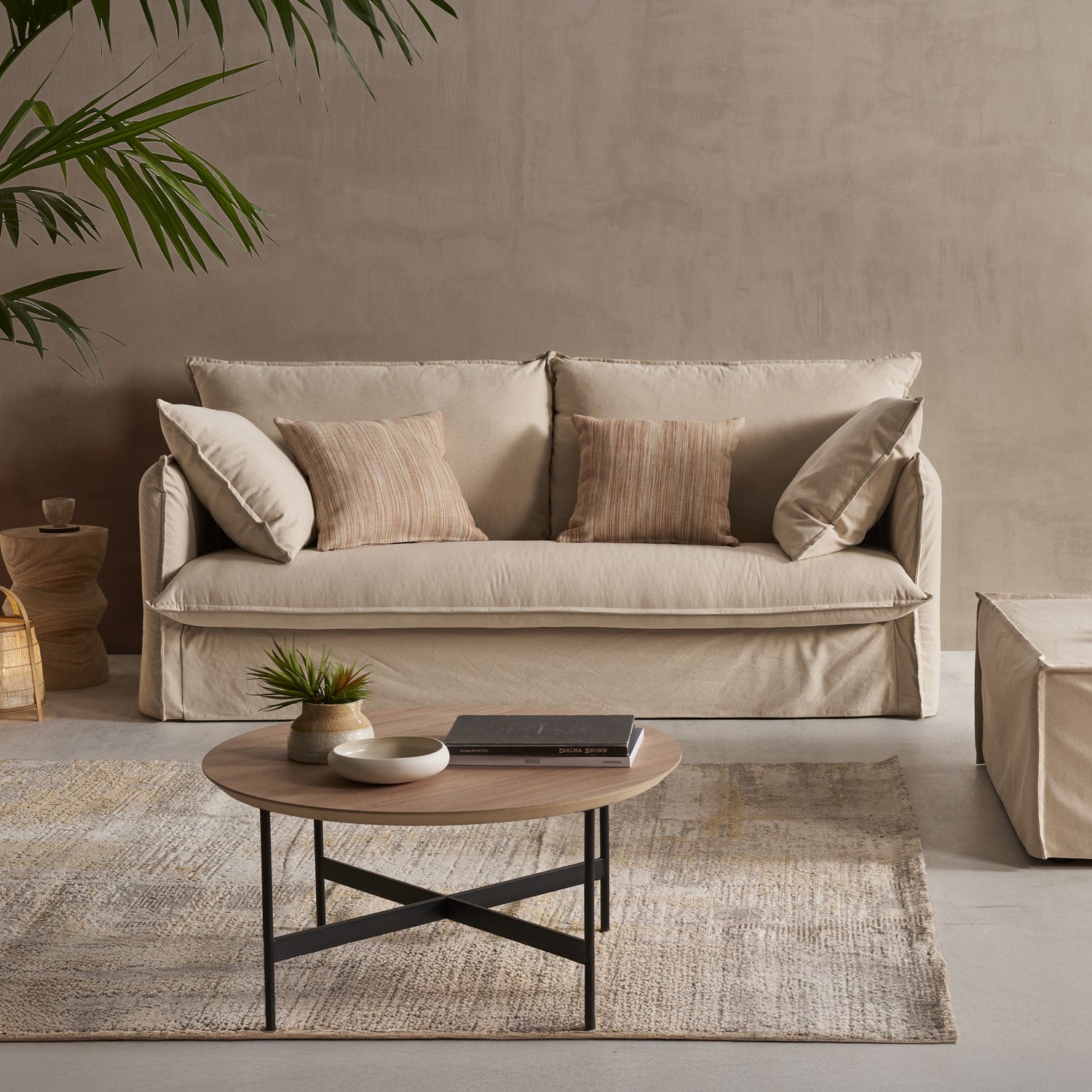
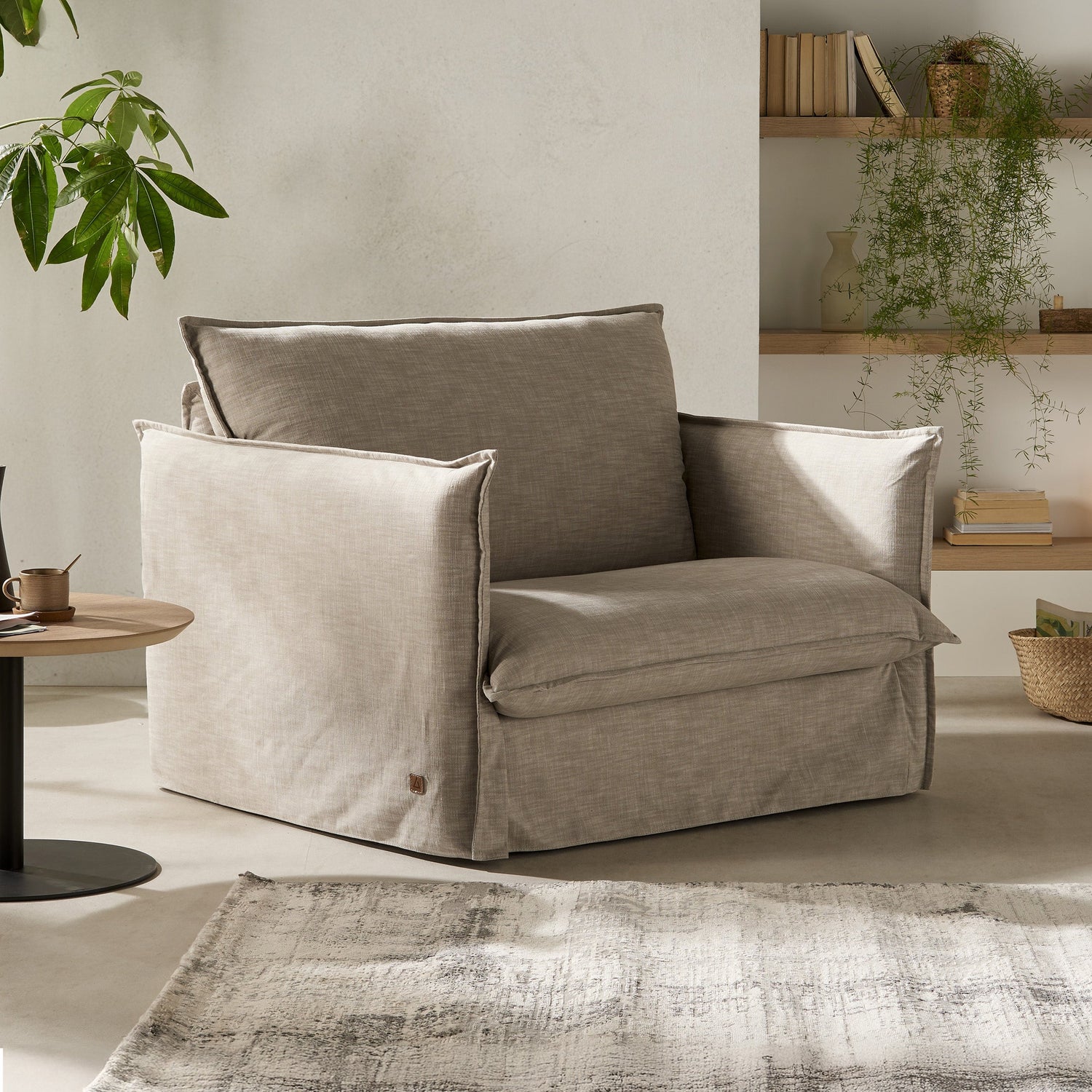
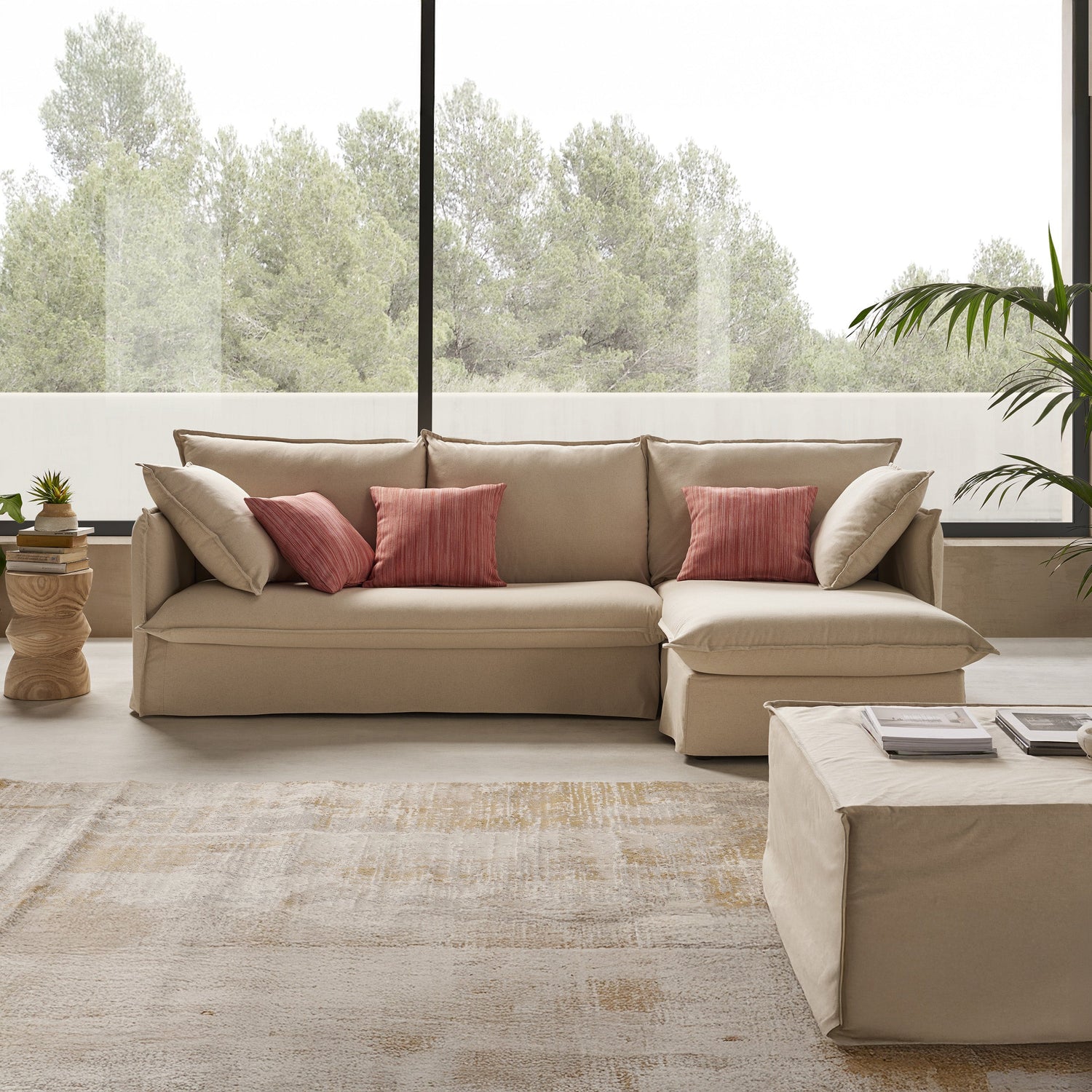
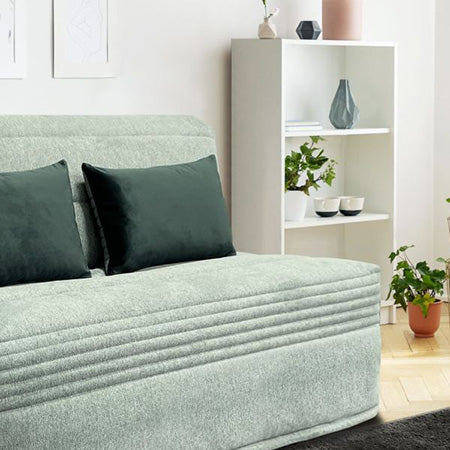
Choosing the fabric for your sofa is a crucial step that goes far beyond simple aesthetics. Material, texture, durability, ease of care... All these criteria are essential for your sofa to perfectly adapt to your lifestyle and remain beautiful over the years. While classics like cotton or linen have their advantages, more trendy materials like velvet and tweed are asserting themselves as choices of character, combining elegance and performance.
So, what is the best fabric for a sofa? Let's dive into the world of upholstery to help you make the right decision.
Tweed: authenticity and all-around resistance
Tweed is a wool fabric that instantly evokes the timeless charm of the English countryside and vintage elegance. Recognizable by its tight weave and mottled appearance, it is much more than just a trend: it is a choice of durability and comfort.
Why choose a tweed sofa?
- Durability and resistance: Tweed is renowned for its strength. Its dense weave and composition of wool or fiber blend make it very resistant to wear, rubbing, and tearing. It's an excellent choice if you have children or pets.
- Warmth and comfort: A natural and textured material, tweed provides a unique feeling of warmth and comfort. It is pleasant to the touch and offers a visual aspect that immediately gives an impression of solidity and cocooning.
- Timeless style: Whether mottled in shades of grey, beige, or brown, tweed fits perfectly into rustic, industrial, or Scandinavian interiors. It brings a touch of authenticity and character without ever going out of style.
A tweed sofa is ideal if you are looking for furniture that is both elegant, robust, and easy to live with.
Velvet: luxury, softness, and absolute elegance
The velvet sofa has made a spectacular comeback in interior design, and for good reason! This material, with its silky appearance and shimmering reflections, brings a touch of luxury, softness, and sophistication that few other fabrics can match.

Why choose a velvet sofa?
- Unparalleled softness: Velvet is known for its incredibly soft and pleasant touch. It is a material that invites relaxation and well-being, perfect for a living room sofa.
- Elegance and color depth: Velvet has the unique ability to capture and reflect light, giving exceptional depth and intensity to its colors. Whether emerald green, navy blue, mustard yellow, or terracotta orange, a velvet sofa will be the centerpiece of your decor.
- Durability: Contrary to popular belief, modern velvet is very durable. Velvets made from synthetic fibers (polyester) are less likely to stain, get damaged, or fade. They are also easier to care for.
A velvet sofa is the perfect choice if you want to create a chic, glamorous, and ultra-comfortable atmosphere.
Other popular fabrics: pros and cons
To help you compare, here's an overview of other commonly used sofa fabrics.
Cotton and linen
Natural and breathable, they are perfect for relaxed and bright atmospheres. However, they are less stain-resistant and can wrinkle easily.
Chenille fabric
It resembles velvet but has a more textured feel. Soft and comfortable, it is relatively durable but can tend to snag.
Leather
Timeless and luxurious, it is very durable and easy to clean. It is ideal for a classic or industrial style, but it can be more expensive and less soft to the touch than fabric.
Microfibers
Very resistant to stains and wear, they are easy to care for and are an excellent choice if you have children or pets. However, their feel can be less warm than natural materials.
Key criteria for your choice
To choose the best fabric for your sofa, consider these essential questions:
- Your lifestyle: Do you have children, or pets? If so, opt for sturdy and easy-to-clean fabrics like tweed, microfibers, or leather.
- Aesthetics: What decorating style do you want to create? A velvet sofa for a glamorous look, a tweed sofa for a warm and authentic ambiance, or a linen sofa for a bohemian style?
- Comfort: Do you prefer a soft and silky fabric like velvet or a textured and robust material like tweed?
- Maintenance: Modern velvets and microfibers are easier to clean than natural materials, which may require professional cleaning.
Conclusion: the ideal fabric is the one that suits you!
There is no single answer to the question of what is the best fabric for a sofa. Tweed and velvet stand out as exceptional choices for their character, durability, and ability to define the atmosphere of your living room.
Tweed is the choice for durability and authenticity for a friendly living room. Velvet is the choice for elegance and comfort for a refined interior.
Ultimately, the best fabric is the one that aligns with your practical needs and aesthetic desires. Choose the material that will make your sofa the heart of your home!